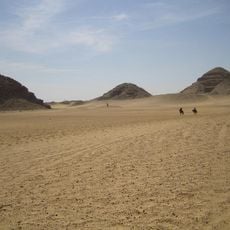
Mastaba S3504, Estrutura funerária antiga na necrópole de Saqqara, Egito
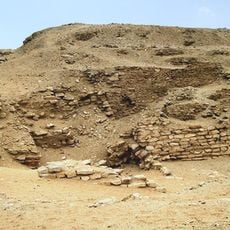
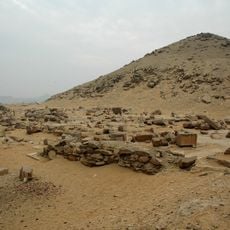
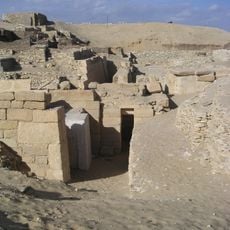
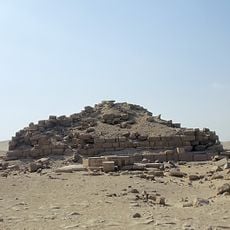
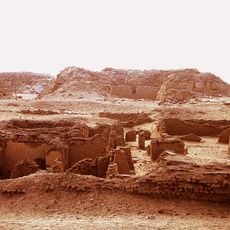
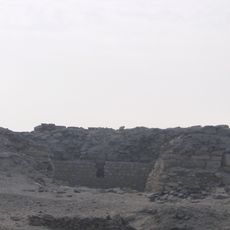
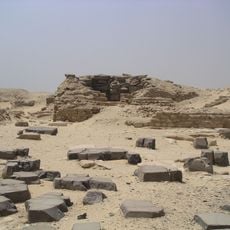
Mastaba S3504 is a large rectangular tomb structure located in the Saqqara necropolis, measuring 56 meters long and 25 meters wide with recessed wall sections on all sides. The structure contains 43 chambers in the main building plus numerous underground rooms that once held thousands of pottery vessels used in burial rituals.
This tomb was built during Egypt's first royal period, around 3000 BC, under the rule of Pharaoh Djet, making it one of the largest burial structures of its age. Archaeologists uncovered it during excavations in 1953, revealing an extensive system of chambers and storage areas that had been hidden underground for thousands of years.
The walls are designed to look like a royal palace, with white-painted surfaces and red-colored details inside the wall recesses. This style of decoration reflects how people at the time imagined grandeur and power in the afterlife.
When visiting, keep in mind that the site is largely excavated but open to exploration on foot, with uneven ground and exposed chambers requiring careful footing. Plan time to walk around the perimeter to see the recessed walls and understand the overall scale of the structure.
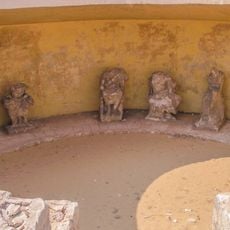
The structure once displayed models of cattle heads complete with actual horns mounted on its outer platform, a feature that reveals how ancient Egyptians honored livestock in funerary practices. Surrounding the main tomb were 65 smaller subsidiary burials, suggesting this was a important place for multiple family members or officials.
A comunidade de viajantes curiosos
AroundUs reúne milhares de lugares selecionados, dicas locais e joias escondidas, enriquecidos diariamente por mais de 60,000 colaboradores em todo o mundo.